

Architectural 3D Modelling and Rendering: Breathing Life into Architectural Drawings
For Architectural drawings at Core Design Center, we believe that every structure begins as a story—etched first in lines, then brought to life in light, texture, and space. Architectural 3D modelling and rendering is not just a technical process; it’s the art of translating architectural drawings into immersive visual experiences that speak to clients, contractors, and communities alike.
From Blueprint to Reality: The Power of 3D Modelling
Architectural drawings have long been the backbone of design communication. But in today’s fast-paced, visually driven world, 2D plans alone often fall short of conveying the full intent of a space. That’s where 3D modelling steps in—not as a replacement, but as an evolution.
- Precision Meets Perspective: 3D modelling allows us to build digital replicas of architectural drawings with exact dimensions, proportions, and spatial relationships. Walls, windows, staircases, and structural elements are no longer abstract—they’re tangible, navigable, and testable.
- Design Validation: Before a single brick is laid, 3D models help validate design choices. Whether it’s checking daylight penetration, circulation flow, or material compatibility, modelling ensures that what’s on paper works in practice.
- Client Engagement: For clients unfamiliar with reading architectural drawings, 3D models offer clarity. They can walk through their future space, understand scale, and make informed decisions early in the process.
At Core Design Center, we treat 3D modelling as a collaborative tool—bridging the gap between technical accuracy and human imagination.
Rendering: Where Architecture Meets Emotion
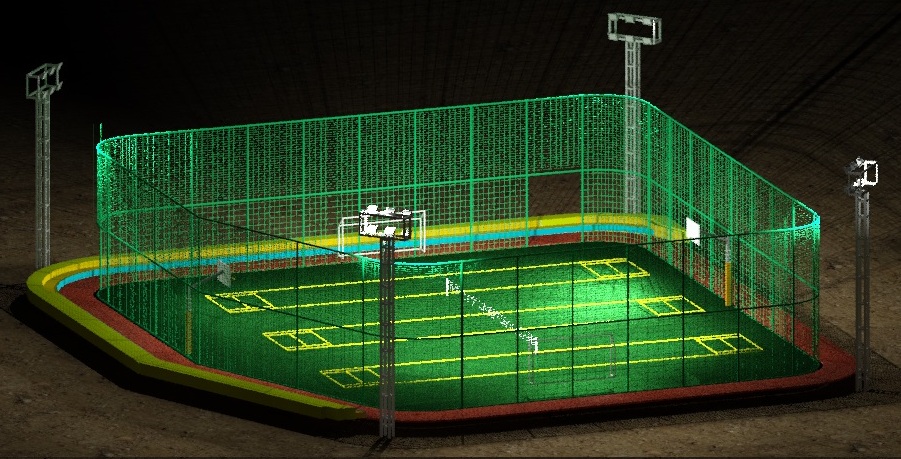
While 3D modelling builds the skeleton, rendering adds the soul. It’s the process of applying materials, lighting, shadows, and environmental context to a model, transforming it into a lifelike image that evokes emotion and intent.
- Material Realism: Whether it’s the grain of reclaimed wood, the sheen of polished concrete, or the translucence of frosted glass, rendering captures the tactile essence of materials. This helps clients visualize finishes and make aesthetic choices with confidence.
- Lighting Simulation: Natural and artificial lighting play a crucial role in how spaces feel. Rendered visuals simulate lighting conditions across seasons and times of day, revealing how shadows fall, how colors shift, and how ambiance evolves.
- Contextual Integration: A building doesn’t exist in isolation. Through rendering, we place models within their real-world surroundings—urban streetscapes, rural landscapes, or industrial zones—so stakeholders can assess visual impact and harmony.
For Core Design Center, rendering is not just about photorealism. It’s about storytelling. Each image we produce is crafted to communicate the design’s purpose, mood, and potential.
Why It Matters?
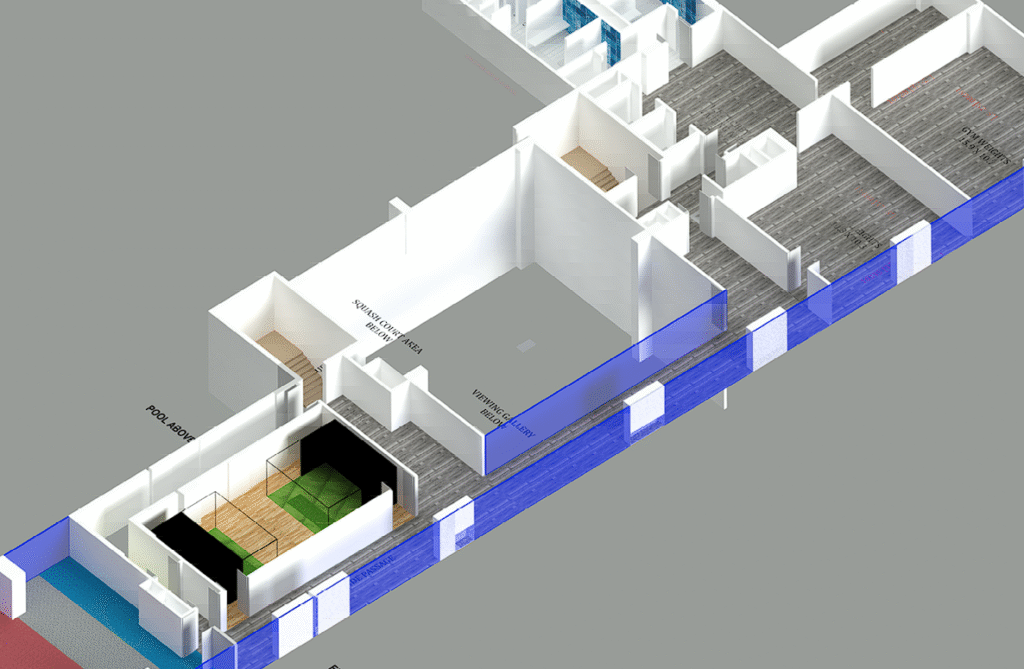
Architectural 3D modelling and rendering isn’t reserved for mega-projects or luxury developments. In fact, it’s a game-changer for MSMEs, solo founders, and rural innovators who want to communicate their vision with clarity and conviction.
- Pitch-Ready Visuals: Whether you’re presenting to investors, government bodies, or community stakeholders, rendered visuals elevate your pitch. They show that your idea is not just viable—it’s buildable.
- Cost Optimization: By visualizing the project early, founders can identify design flaws, avoid costly changes during construction, and streamline procurement.
- Branding and Outreach: Rendered images can be repurposed for brochures, websites, social media, and grant applications. They become branding assets that tell your story with impact.
At Core Design Center, we specialize in making high-quality modelling and rendering accessible to all—especially those building from the grassroots up.
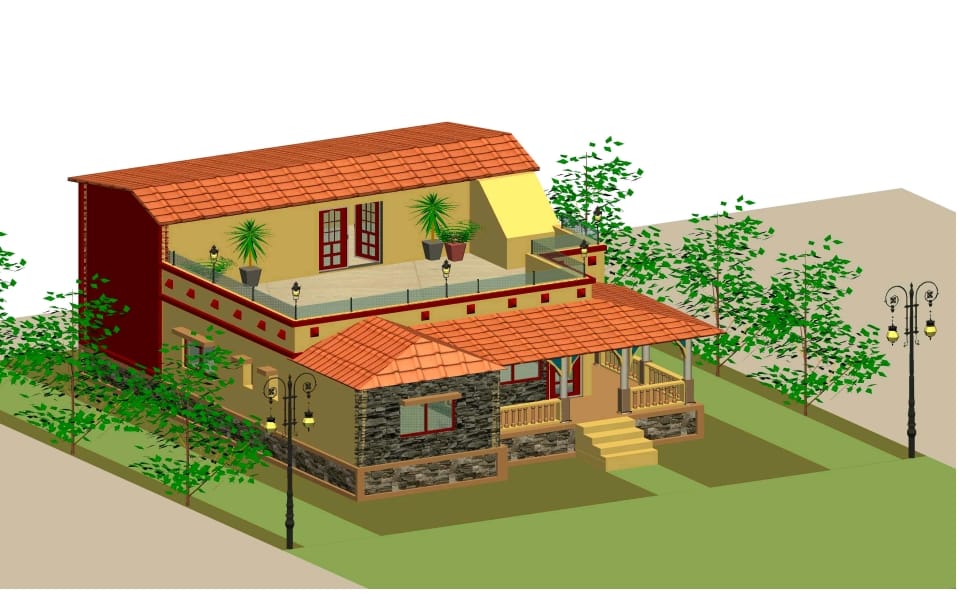
The Role of Architectural Drawings in the Workflow
Architectural drawings remain the foundation of every project. They are the technical language of architecture—used for approvals, execution, and compliance. But when paired with 3D modelling and rendering, their power multiplies.
- Drawings as Data: Every line in a drawing carries data—dimensions, materials, tolerances. Our modelling process extracts and preserves this data, ensuring fidelity between design and execution.
- Visual Cross-Validation: By comparing architectural drawings with rendered visuals, clients and engineers can cross-check for discrepancies, ensuring that the design intent is fully realized.
- Documentation and Training: For MSMEs and site teams, combining drawings with 3D visuals creates powerful training tools. Workers understand what they’re building, not just how.
Core Design Center treats architectural drawings not as static documents, but as dynamic inputs in a larger visual ecosystem.
Beyond Aesthetics: Sustainability and Compliance
Modelling and rendering also support sustainable design and regulatory compliance. By simulating energy performance, daylighting, and material usage, we help clients make eco-conscious choices. Rendered visuals can also be used in environmental impact assessments and municipal presentations.
- Green Building Narratives: Visuals showing solar panels, rainwater harvesting, or passive cooling systems help communicate sustainability goals.
- Code Compliance: Rendered walkthroughs can highlight fire exits, accessibility features, and safety zones—making it easier to align with building codes.
At Core Design Center, we believe that good design is not just beautiful—it’s responsible.
Our Commitment to Craft and Clarity
Every project we undertake is guided by a commitment to clarity, craft, and client empowerment. Whether you’re building a factory, a farmhouse, or a community center, our modelling and rendering services are tailored to your needs, budget, and vision.
We don’t just deliver visuals—we deliver understanding. We don’t just build models—we build trust.
Ready to transform your architectural drawings into compelling visual stories?
Let Core Design Center be your partner in design clarity, execution excellence, and scalable impact.
GET IN TOUCH FOR A